
Choosing the right fertiliser can make a huge difference to plant health, soil quality, and long-term garden success. For decades, many gardeners relied on synthetic fertilisers to boost plant growth quickly. However, growing awareness of soil health and sustainability has led many growers to reconsider their approach.
Today, more gardeners are turning to organic fertilisers, including natural options like sheep wool fertiliser pellets, as a healthier and more sustainable alternative.
In this guide, we compare organic fertiliser vs chemical fertiliser, explain the advantages of each, and help you decide which option is best for your garden.
What Is Organic Fertiliser?
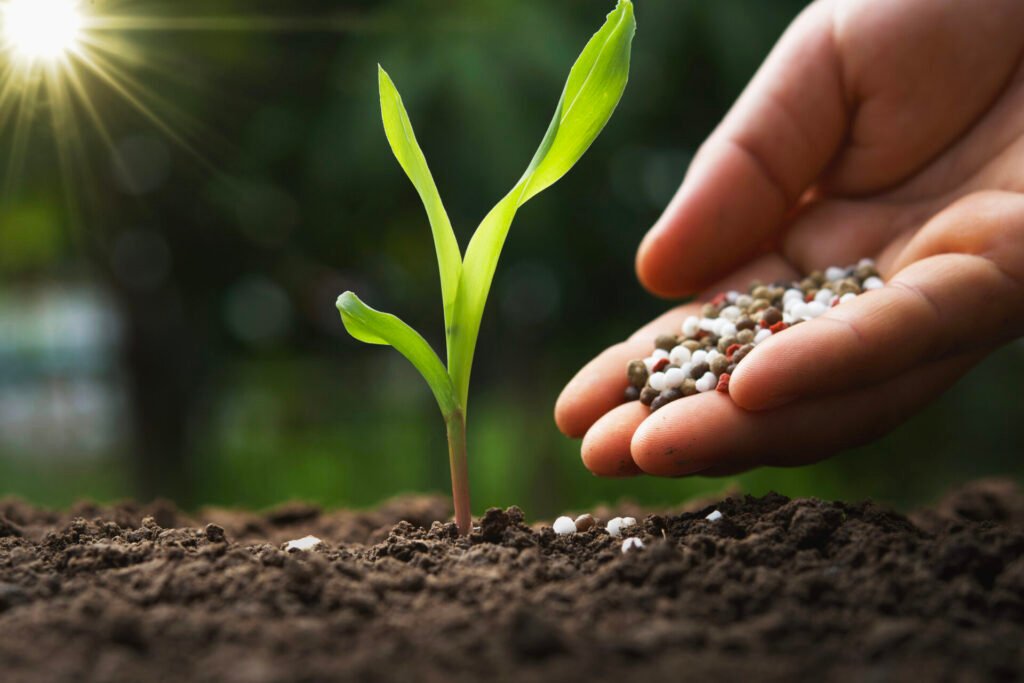
Organic fertilisers are made from natural materials, such as plant matter, compost, manure, or wool. These fertilisers improve soil health while providing nutrients to plants.
Unlike synthetic fertilisers, organic fertilisers release nutrients gradually as microorganisms break down the material.
Examples of organic fertilisers include:
- compost
- manure
- seaweed fertiliser
- bone meal
- sheep wool fertiliser pellets
Because they work with natural soil processes, organic fertilisers often contribute to long-term soil improvement.
What Is Chemical Fertiliser?
Chemical fertilisers (also known as synthetic fertilisers) are manufactured products designed to deliver nutrients to plants quickly.
They typically contain specific ratios of nitrogen, phosphorus, and potassium (NPK) in highly concentrated forms.
Chemical fertilisers are widely used because they:
- act quickly
- deliver precise nutrient formulas
- are easy to apply
However, they do not contribute organic matter to the soil and can sometimes lead to nutrient imbalances if used incorrectly.
Key Differences Between Organic and Chemical Fertilisers
1. Nutrient Release Speed
One of the biggest differences between organic and synthetic fertilisers is how nutrients are released.
Chemical fertilisers
- release nutrients quickly
- provide immediate plant growth
- may require frequent application
Organic fertilisers
- release nutrients slowly
- provide steady plant nutrition
- reduce the risk of over-fertilisation
For example, wool fertiliser pellets gradually release nitrogen as they break down in the soil, providing nutrients over a longer period.
2. Impact on Soil Health
Healthy soil contains organic matter, microorganisms, and beneficial fungi.
Organic fertilisers help support this living ecosystem by adding natural materials to the soil.
Benefits of organic fertilisers include:
- increased microbial activity
- improved soil structure
- better nutrient cycling
Chemical fertilisers, on the other hand, focus mainly on delivering nutrients rather than improving soil quality.
3. Environmental Impact
Environmental impact is another important consideration.
Organic fertilisers are generally considered more sustainable because they:
- use natural materials
- recycle agricultural by-products
- reduce reliance on synthetic chemicals
Synthetic fertilisers can sometimes contribute to nutrient runoff into waterways if applied incorrectly.
Many gardeners looking for environmentally responsible solutions prefer natural fertilisers for plants that support sustainable growing practices.
4. Risk of Plant Damage
Because synthetic fertilisers release nutrients quickly, applying too much can sometimes damage plants. This is often called fertiliser burn.
Organic fertilisers are usually gentler because nutrients are released gradually.
This makes them particularly suitable for:
- home gardens
- vegetable beds
- container plants
- organic farming systems
Why Many Gardeners Prefer Organic Fertiliser
Organic fertilisers are becoming increasingly popular because they offer a balanced approach to plant nutrition and soil care.
Benefits include:
- healthier soil ecosystems
- improved moisture retention
- slow and steady nutrient supply
- long-term soil improvement
For gardeners who want to grow food naturally and sustainably, organic fertilisers often provide the best solution.
Sheep Wool Fertiliser: A Natural Organic Alternative
One organic fertiliser that has gained significant attention is sheep wool fertiliser pellets.
Made from natural wool fibres, these pellets provide:
- slow-release organic nitrogen
- improved soil structure
- better water retention
- support for soil microorganisms
Because wool fertiliser also contributes organic material to the soil, it helps improve soil health while feeding plants.
Organic Fertiliser Made in Ireland
At Sneem Organic Wools, we produce wool fertiliser pellets using locally sourced Irish sheep wool.
Manufactured in County Kerry, our fertiliser supports sustainable agriculture while providing a natural solution for gardeners and growers.
Our pellets offer:
- slow-release organic nutrition
- improved soil health
- moisture retention
- environmentally responsible fertiliser production
Which Fertiliser Should You Choose?
Both organic and chemical fertilisers can support plant growth, but they work in different ways.
Chemical fertilisers provide quick results, while organic fertilisers focus on long-term soil health and sustainable plant nutrition.
For gardeners who want to build healthier soil and grow plants naturally, organic fertilisers such as wool pellets offer a practical and effective alternative.
Grow Naturally with Organic Fertiliser
If you’re looking for a natural fertiliser that feeds plants while improving soil health, organic wool fertiliser pellets are a simple and sustainable solution.
By working with natural soil processes, they help create healthier gardens and stronger plants over time.